Recognizing the red flags
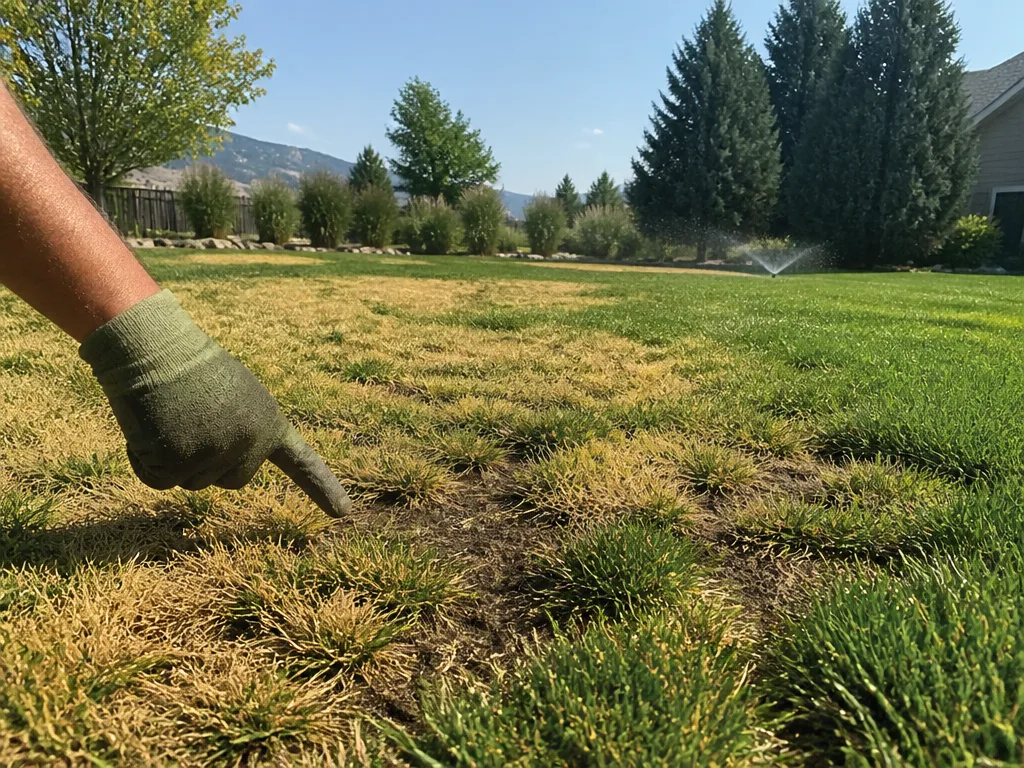
Idaho homeowners know the summers can be tough on grass. A few indicators pop up year after year. Browned patches that grow despite regular watering, irregular color changing from green to pale, and thin, patchy areas where blades become sparse are all signals to watch. If you see footprints that stay brown or a sudden shift to a bluish or purplish tint, that can point to underlying stress in the root zone. Our lawn care specialists in Idaho crews assess the whole picture, not just the surface, to determine what the lawn needs next.
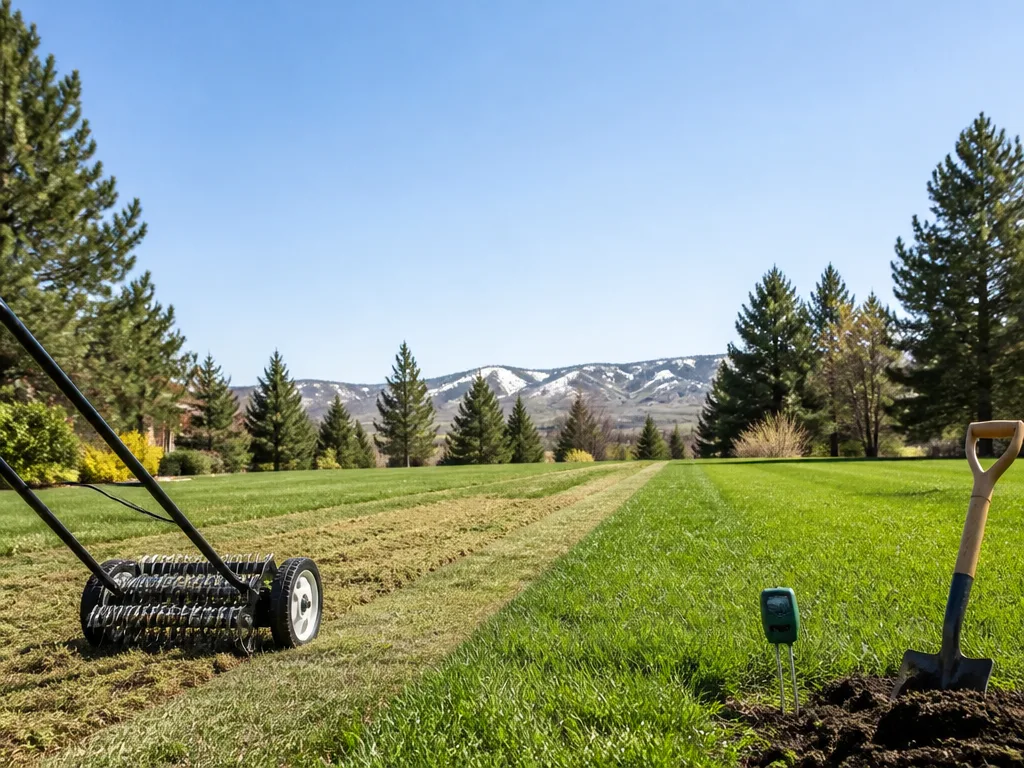
Another common sign is soil that feels unusually compact or crusty after a rain. Compact soil makes it hard for roots to breathe and drink. When you push a finger into the turf and it resists, that’s a clue the soil structure may be restricting growth. Also note areas that don’t recover after mowing, even with regular maintenance. These are often symptoms of deeper problems that require a careful plan for the entire lawn.
Why these signs matter for Idaho lawns
Idaho’s climate varies from north to south, with dry summers and cold winters. Stress spreads quickly when heat arrives and soil dries out. Early detection gives our team leverage to adjust watering, mowing height, and soil balance before problems become widespread. By understanding these signals, you can protect the overall health of your yard across Idaho and keep color and vigor through the seasons.
Our approach at Idaho Tree Removal Service is to look at roots, soil, and blade health together. The goal is steady, gradual improvement rather than quick fixes that don’t last. When you notice warning signs, talk with a lawn care specialist about a plan that fits your soil type, sun exposure, and irrigation system across Idaho.
What to do right now
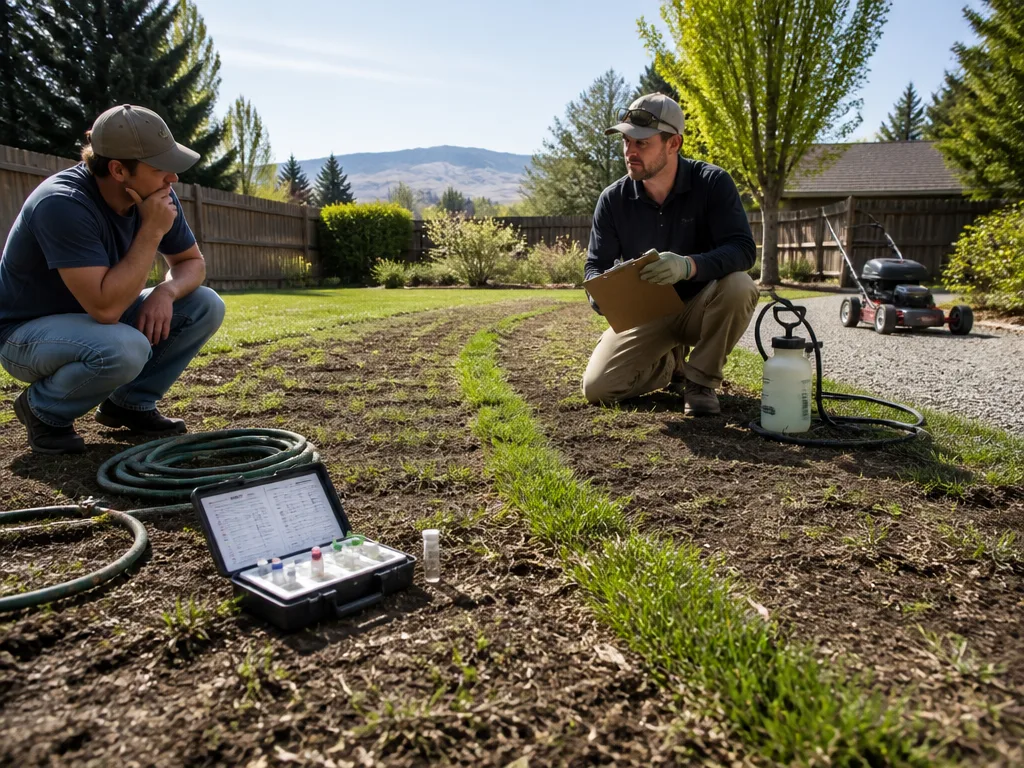
Keep a simple log of where you see trouble spots and note any recent weather or watering changes. If patches are spreading or color is shifting unpredictably, consider a professional assessment. Our crews can help by inspecting soil moisture, thatch layer, and overall lawn balance. A practical next step is adjusting mowing height for the season, ensuring blades aren’t too short or too long, which can stress the grass further.
In many cases, early action saves more effort later. A lawn care specialist can recommend a targeted plan that focuses on soil health, proper irrigation, and gradual recovery strategies that work across Idaho soil types and climatic zones.
Bottom line
Warning signs aren’t a one-off problem. They signal underlying stress that can escalate if ignored. Across Idaho, a steady, informed approach from our team helps restore color, improve density, and protect your lawn through changing conditions.